
The Rise of AI Influencers on Instagram and What It Means
Over the past decade, Instagram has evolved from a simple photo-sharing app to a massive platform for personal branding, influencer marketing, and digital storytelling. In 2025, however, a new kind of influencer is making headlines — not human, not a celebrity, not even alive in the traditional sense, but digital. These are AI influencers, and they are changing the game in unexpected ways.
From fashion to lifestyle, beauty to travel, AI influencers are now amassing millions of followers, landing brand deals with global companies, and reshaping how we view influence itself. But their rise isn’t just a futuristic trend; it signals a deeper shift in how we engage with content, define authenticity, and build trust online.
Let’s explore the phenomenon of AI influencers on Instagram, how they work, why they’re popular, and what this means for creators, brands, and social media users in 2025.
What Are AI Influencers?
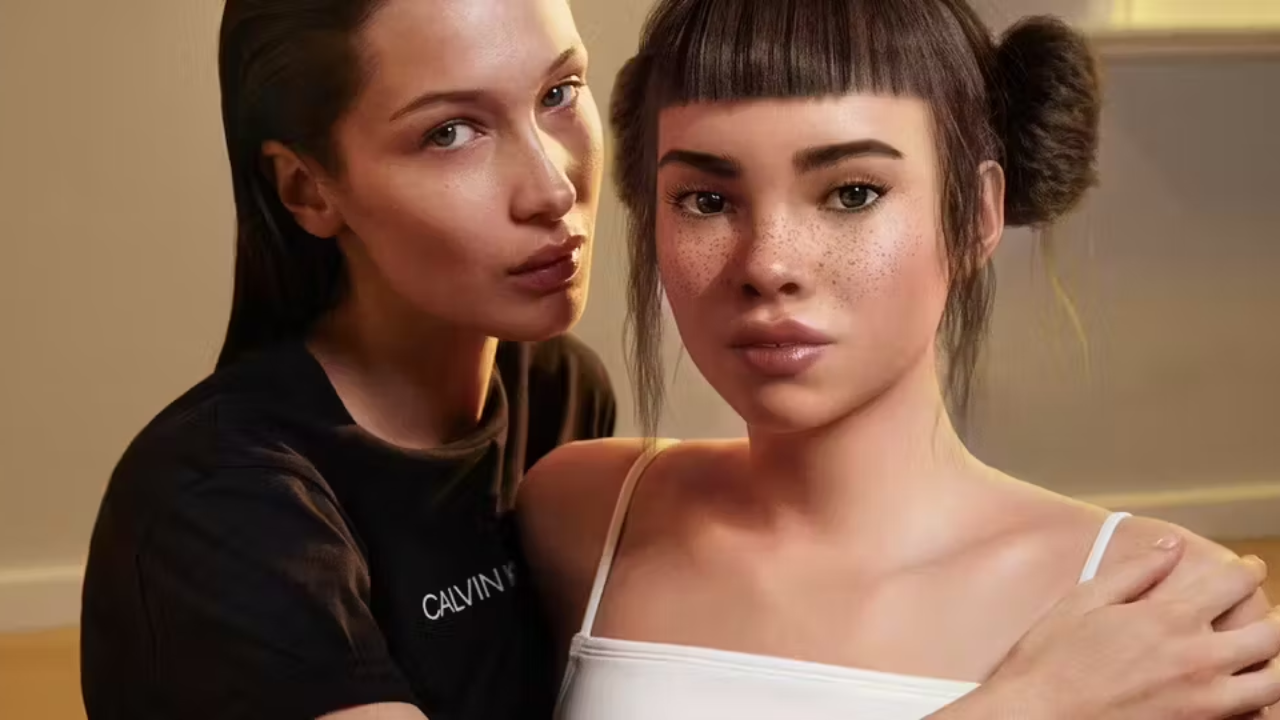
AI influencers are virtual personas created using artificial intelligence, CGI (computer-generated imagery), and machine learning. They appear just like human Instagram influencers — posting curated images, engaging captions, and even stories — but behind the scenes, there is no real person living that life.
Some AI influencers are managed by marketing agencies. Others are owned by tech startups or creative studios that design their appearance, personality, tone, and branding from scratch. These digital characters can be tailored to suit specific brand needs, cultural trends, or audience preferences.
Well-known AI influencers in 2025 include:
- Lil Miquela – one of the earliest and most famous AI influencers, known for her fashion sense and social causes.
- Noonoouri – a high-fashion AI model who has collaborated with luxury brands.
- Imma – a virtual influencer from Japan focused on modern aesthetics and design.
Today, dozens of new AI personas are being launched every month, across niches from fitness and travel to tech, parenting, and even motivational speaking.
Why Are AI Influencers Becoming So Popular?
The rise of AI influencers isn’t just a novelty. It’s backed by real business logic, audience behavior, and shifting expectations in digital spaces. Here are a few reasons why they’re gaining momentum:
1. Total Creative Control
Unlike human influencers who have personal lives and unpredictable factors, AI influencers are fully controlled by their creators. That means no off-brand behavior, no scandals, no scheduling issues. Brands love this level of reliability and consistency, especially for long-term campaigns.
2. Hyper-Curated Aesthetics
AI influencers are designed to look perfect — flawless skin, symmetrical features, trendsetting outfits, and dreamy locations. While that may raise questions about realism, it aligns with the highly visual nature of Instagram, where perfection often performs well.
3. Endless Content Potential
With advanced CGI tools and generative AI, AI influencers can create new content 24/7. They don’t need rest, don’t age, and don’t need makeup artists or photo shoots. This opens the door for brands to create immersive, on-demand campaigns at scale.
4. Global Reach and Adaptability
AI influencers can speak any language, wear culturally relevant fashion, and represent diverse backgrounds — all without the constraints of geography or nationality. They can be adapted for specific markets and audiences, helping brands reach global followers with localized appeal.
Are AI Influencers “Real”?
One of the big debates surrounding AI influencers is the question of authenticity. Can something that isn’t human still be “real” in the world of social media?
Interestingly, many followers treat AI influencers like celebrities or characters. They engage with their posts, leave comments, and follow their “journeys” just as they would with a human creator. Some even develop emotional connections to these digital personas.
Creators of AI influencers are transparent about their artificial nature. Most profiles clearly state that they are virtual beings, but that doesn’t seem to stop engagement. In fact, the mix of mystery, creativity, and futuristic appeal may even enhance their popularity.
How Brands Are Using AI Influencers in 2025
Brands in 2025 are tapping into AI influencers for a variety of reasons:
- Fashion and Beauty: Virtual influencers showcase clothing, accessories, and makeup with picture-perfect accuracy. They can change styles instantly and never need wardrobe fittings.
- Tech and Gadgets: AI influencers can appear futuristic and high-tech themselves, making them perfect ambassadors for innovative products.
- Entertainment: Some AI influencers have cross-platform presences, appearing in music videos, short films, or even live-streaming events.
- Virtual Try-Ons: Beauty brands use AI models to demonstrate how products will look on various skin tones, facial features, and styles.
Collaborations with AI influencers are often cost-effective in the long run, especially for big campaigns that would require logistics, travel, or human influencers with high fees.
The Ethical and Social Questions
Despite their advantages, the rise of AI influencers has sparked several ethical and philosophical debates:
1. Authenticity vs Artificiality
How do we define authenticity in the digital world? Is it wrong to follow or admire a virtual being who doesn’t truly exist? For some, this blurs the line between reality and fiction too much.
2. Impact on Human Influencers
Will AI influencers take work away from human creators? Some fear that brands might favor AI characters because they’re easier to manage and more predictable. This could potentially reduce opportunities for emerging human influencers.
3. Body Image and Representation
AI influencers often have perfect, unrealistic features, which could negatively impact how young audiences view themselves. If users start comparing themselves to computer-generated ideals, it may contribute to mental health issues or body image pressure.
4. Data Privacy and Manipulation
Some AI influencers are backed by companies with deep data access and AI capabilities. If these digital personas start shaping opinions, endorsing products, or taking political stances, the question arises: Who’s really pulling the strings?
What This Means for the Future of Influence
The rise of AI influencers doesn’t mean human creators are going away. If anything, it pushes the entire influencer industry to evolve. In 2025, the most successful creators — whether real or virtual — are those who blend creativity, strategy, and audience connection in compelling ways.
Here’s what we might expect moving forward:
- Hybrid Influencers: Teams made up of both real and virtual personas, working together on multi-layered campaigns.
- Personalized AI Influencers: Followers may be able to interact with AI versions of themselves or create their own digital alter egos for social media.
- Deeper Brand Experiences: Virtual influencers might be used in VR experiences, AR try-ons, or AI-generated commercials.
At the core of it all is storytelling. Whether human or artificial, the influencers of tomorrow will succeed if they can tell engaging stories, connect emotionally, and adapt to what audiences truly care about.
Conclusion
The rise of AI influencers on Instagram in 2025 marks a new era of digital influence. These virtual personas are not just technical marvels — they’re reshaping the landscape of branding, marketing, and online culture. They raise important questions about authenticity, identity, and the future of connection in a world where not everything is as it seems.
But rather than replacing human creativity, AI influencers are expanding the playground. They challenge us to think bigger, experiment with new formats, and reimagine what it means to have influence in a digital-first world.
For creators, brands, and followers alike, this is just the beginning.