
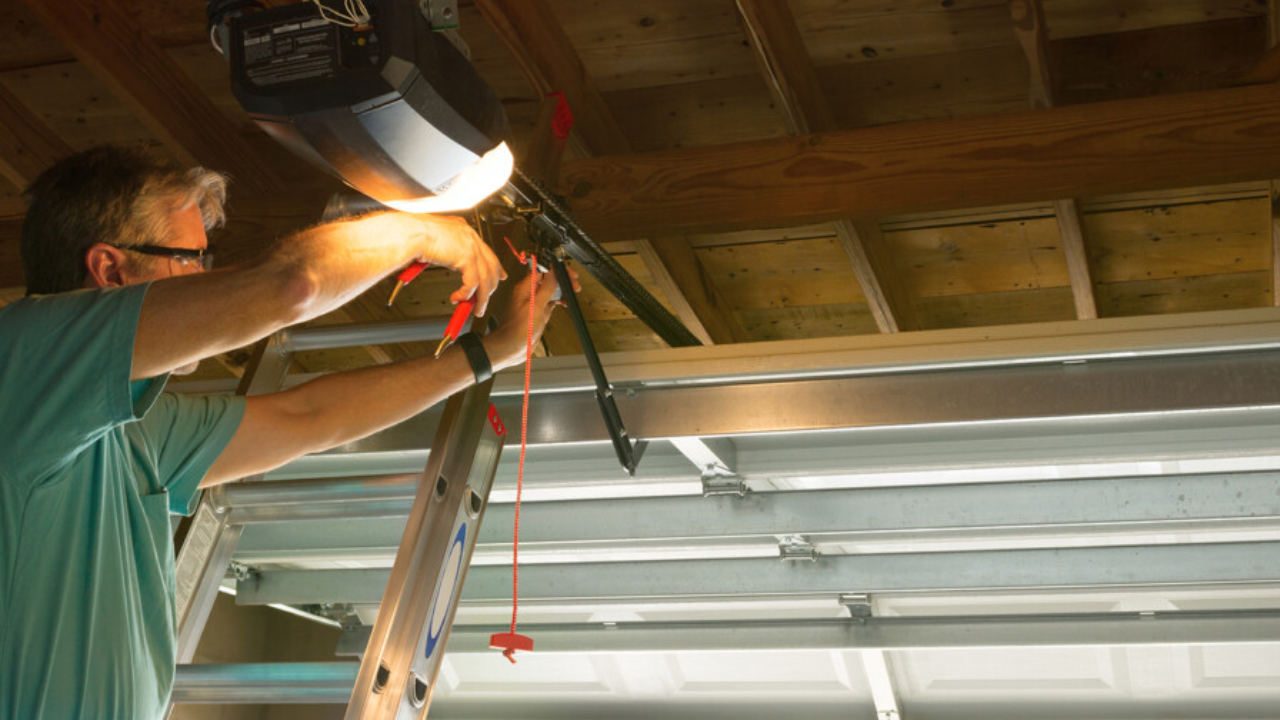
DIY Garage Door Maintenance Tips Every Homeowner Should Know
Your garage door is one of the most-used and often-overlooked parts of your home. Whether it’s protecting your vehicle, storing seasonal equipment, or acting as a second front door, your garage door plays a major role in daily convenience and home security. Yet, many homeowners don’t think about maintenance until something goes wrong.
The good news is, you don’t have to be a professional to keep your garage door running smoothly. With a few simple tools and some basic know-how, you can take care of your garage door yourself and avoid costly repairs down the road.
Let’s break down the most essential DIY garage door maintenance tips every homeowner should know.
1. Start with a Visual Inspection
Before you touch anything, give your garage door a good once-over. Stand inside the garage with the door closed and check the following:
- Springs: Are they tight and free of rust?
- Cables: Do they look frayed or worn?
- Rollers: Are they cracked or misshapen?
- Hinges and tracks: Any signs of bending, rust, or separation?
This simple habit can help you catch small problems before they become big ones. Do this once a month to stay ahead of wear and tear.
2. Tighten Up Loose Hardware
Your garage door moves up and down several times a day, and all that motion creates vibration. Over time, the nuts and bolts holding your system together can loosen. Use a wrench or socket set to check and tighten:
- Bolts on brackets holding the door tracks
- Nuts on the garage door opener
- Screws on hinges between door panels
Do not overtighten — just make sure everything is snug and secure.
3. Clean the Tracks
The metal tracks on either side of your garage door can accumulate dust, grime, and even small debris over time. This buildup can slow down or damage the rollers. Here’s what to do:
- Use a damp cloth to wipe the inside of the tracks
- For tougher grime, use a household degreaser or mild soap
- Never use grease or oil on the tracks — this attracts more dirt
Cleaning the tracks improves motion and reduces strain on your opener.
4. Lubricate Moving Parts
Lubrication is one of the simplest but most powerful DIY tricks to extend your garage door’s life. Focus on:
- Rollers: Use garage door lubricant or white lithium grease
- Hinges: Apply a small amount where they pivot
- Springs: Spray lightly to reduce noise and friction
- Bearings and pulleys: Especially on torsion systems
Avoid using heavy grease or standard oil, as these can gum up over time. Always wipe off excess after applying.
5. Test the Balance of the Door
An unbalanced garage door forces your opener to work harder, wearing it out quickly. You can test balance yourself:
- Disconnect the opener by pulling the release cord (usually a red handle)
- Manually lift the door halfway and let go
If it stays in place, it’s balanced. If it slams shut or rises, the springs may need adjustment. Don’t attempt to fix springs on your own — call a professional if you notice imbalance.
6. Inspect and Replace Weather Stripping
Weather stripping at the bottom and sides of your garage door helps keep out drafts, rain, dust, and pests. Over time, it can crack, flatten, or fall off.
- Check the rubber seal along the bottom edge for wear
- If it’s brittle or broken, replace it using a standard weather seal kit
- Also inspect the side stripping and replace as needed
Maintaining this barrier improves insulation and prevents costly energy loss.
7. Check the Auto-Reverse Safety Feature
Garage doors come with a built-in safety mechanism that reverses the door if it detects an obstruction. Test this regularly:
Photoelectric Sensors Test:
- Place an object (like a cardboard box) in the path of the closing door
- The door should automatically reverse when the sensors detect it
Pressure Sensitivity Test:
- With the door open, place a piece of wood flat on the ground under the center
- Close the door — when it touches the object, it should reverse
If either test fails, clean the sensors and retest. If problems persist, consult your manual or a technician.
8. Listen to the Door
Strange sounds are often the first sign something’s wrong. Pay attention when your garage door opens and closes:
- Grinding or scraping sounds might point to worn rollers or misaligned tracks
- Popping or banging can signal a spring issue
- Squeaking or squealing usually means a part needs lubrication
Catch these noises early, and you can prevent bigger, costlier problems later.
9. Test the Door Opener’s Force Setting
Most modern garage door openers have a force setting that determines how much pressure is needed to open and close the door. If it’s set too high, the door might not reverse when it should. You can test this by:
- Holding the bottom of the door as it closes (don’t stand directly under it)
- If it doesn’t stop and reverse, the force setting may be too strong
Check your opener’s manual for instructions on adjusting the force. It’s usually a simple dial or digital setting.
10. Keep the Door Clean and Painted
While maintenance is often about mechanics, appearance also matters. A clean, well-painted garage door is less likely to rust or degrade. Once every few months:
- Wash the door with mild soap and water
- Check for chipped or peeling paint
- Apply touch-up paint or a new coat if necessary
This protects against weather damage and keeps your home looking its best.
11. Mind the Remote Batteries and Backup Power
If your garage door suddenly stops working, it could be something simple — like dead batteries. Keep extra batteries on hand for your remote control or keypad. Also:
- Test your opener’s battery backup if it has one
- Consider installing a battery system if you live in an area prone to outages
Garage access is crucial during emergencies, so don’t overlook these simple tools.
12. Keep Records of Repairs and Replacements
Just like a car, your garage door benefits from a maintenance log. Keep a simple record of:
- When you lubricated parts
- What parts you replaced and when
- Any strange noises or issues you noticed
This makes it easier to track wear and helps professionals diagnose issues if you ever need service.
Final Thoughts
Maintaining your garage door doesn’t have to be complicated or expensive. With just a bit of time and regular attention, you can keep your system running safely and smoothly for years. These DIY tips not only save money but also give you peace of mind, knowing your garage door is secure, quiet, and functioning as it should.
Your garage door is more than just an entrance — it’s part of your home’s daily rhythm. A little care goes a long way in preserving its performance, appearance, and reliability.
Keep an eye for more latest news & updates on 510garage!